Our lead-acid batteries use first-grade pure lead, while other brands may mix in some reduced lead or even use it entirely for producing battery plates. Our plates are made from high-tin lead-calcium alloy, with a tin content of over 1.2%, compared to about 0.8% in other brands, resulting in better conductivity and corrosion resistance.
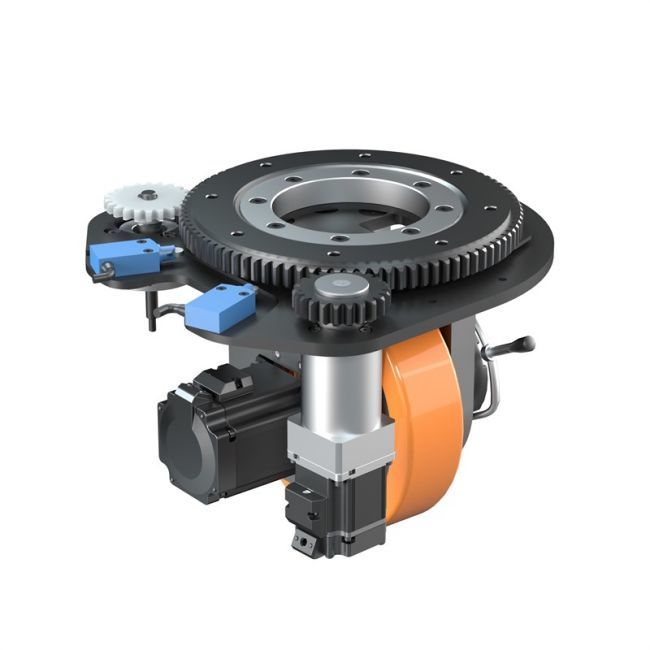
Key words: Mobile robot | AGV vehicle system | magnetic navigation system
Our lead-acid batteries use first-grade pure lead, while other brands may mix in some reduced lead or even use it entirely for producing battery plates. Our plates are made from high-tin lead-calcium alloy, with a tin content of over 1.2%, compared to about 0.8% in other brands, resulting in better conductivity and corrosion resistance.
Product Introduction: The production process for our plate grids is a mesh-drawing method, which provides higher strength and better corrosion resistance compared to traditional high-temperature casting, while also reducing battery weight and pollution during production.
Other manufacturers typically use a single sealant treatment, which can lead to acid leakage at the terminals due to worker oversight. In contrast, we implement a double sealing process: the first is a lead seal welding, followed by a second acid-resistant seal, ensuring that even with oversight, acid leakage is prevented.
Our lead-acid batteries have an internal resistance of 5-5.5 mΩ, while the national standard requires a deviation of ≤3.39% for batteries of the same group; ours have a deviation of <2.99%. The national standard also mandates that after 28 days of resting, the capacity retention rate should be >98%, whereas our batteries achieve a capacity of 99.2%, significantly exceeding this standard.
Application Fields:
Automotive Starting Batteries (SLI) The biggest volume usage of lead-acid batteries is still as an automotive starting battery. The application is called starting, lighting, and ignition (SLI) and fits well with the lead-acid battery’s ability to produce the high current needed to turn over a cold internal combustion engine (ICE).
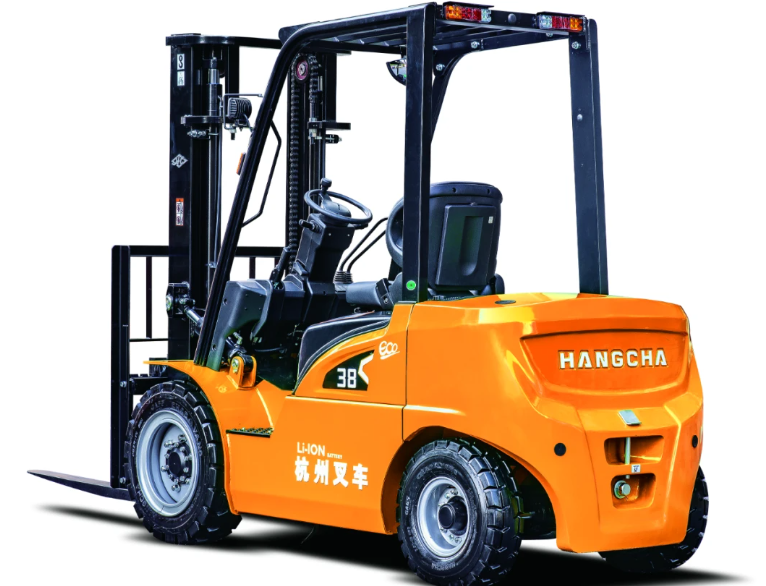
Forklifts Battery-powered forklifts have largely replaced those fueled by natural gas. Aside from lower operating costs, electrically powered forklifts can operate within a building or enclosed space without concern for noxious exhaust fumes and deadly carbon monoxide build-up.
Pdf Download
3D Download
Six Quality Assurance
Professional Technical Team
skilled technicians
Advanced production equipment
Experienced production personnel
Strict testing procedures
Factory strength
FAQ
What is a lead-acid battery?
A lead acid battery is a rechargeable battery that uses lead and sulphuric acid to function. The lead is submerged into the sulphuric acid to allow a controlled chemical reaction. This chemical reaction is what causes the battery to produce electricity. Then, this reaction is reversed to recharge the battery.
Are lead-acid batteries still used today?
Lead-acid batteries have been in use for more than 160 years in many different applications and they are still the most widely used rechargeable electrochemical device for small-medium scale storage applications. They are safe, low-cost, simple to charge, and easy to recycle.
What are lead-acid batteries used?
They are used in back-up power supplies for alarm and smaller computer systems (particularly in uninterruptible power supplies) and for electric scooters, electric wheelchairs, electrified bicycles, marine applications, AGV, Forklifts, battery electric vehicles or micro hybrid vehicles, and motorcycles.
Our website uses cookies and similar technologies to personalize the advertising shown to you and to help you get the best experience on our website. For more information, see our Privacy & Cookie Policy
COOKIES
Our website uses cookies and similar technologies to personalize the advertising shown to you and to help you get the best experience on our website. For more information, see our Privacy & Cookie Policy
These cookies are necessary for basic functions such as payment. Standard cookies cannot be turned off and do not store any of your information.
These cookies collect information, such as how many people are using our site or which pages are popular, to help us improve the customer experience. Turning these cookies off will mean we can't collect information to improve your experience.
These cookies enable the website to provide enhanced functionality and personalization. They may be set by us or by third-party providers whose services we have added to our pages. If you do not allow these cookies, some or all of these services may not function properly.
These cookies help us understand what you are interested in so that we can show you relevant advertising on other websites. Turning these cookies off will mean we are unable to show you any personalized advertising.