
Why Forklift Drive Wheel Selection Matters for Your Business: Maximizing Efficiency and Safety
Release time:
2026-09-15
Why Forklift Drive Wheel Selection Matters for Your Business In any industrial environment, the efficiency and effectiveness of equipment can significantly impact overall operations. Among the various components of a forklift, the drive wheel plays a pivotal role. Understanding the importance of selecting the appropriate forklift drive wheels is essential for organizations looking to optimize thei
Why Forklift Drive Wheel Selection Matters for Your Business
In any industrial environment, the efficiency and effectiveness of equipment can significantly impact overall operations. Among the various components of a forklift, the drive wheel plays a pivotal role. Understanding the importance of selecting the appropriate forklift drive wheels is essential for organizations looking to optimize their processes and enhance safety. In this article, we will explore the various aspects of forklift drive wheel selection, its implications for your business, and how it can lead to long-term savings and improved performance.
Understanding Forklift Drive Wheels
Forklift drive wheels are essential components that directly affect the maneuverability, stability, and traction of a forklift. Different types of drive wheels are available, each designed to meet specific operational needs. The primary types include:
1. Polyurethane Wheels
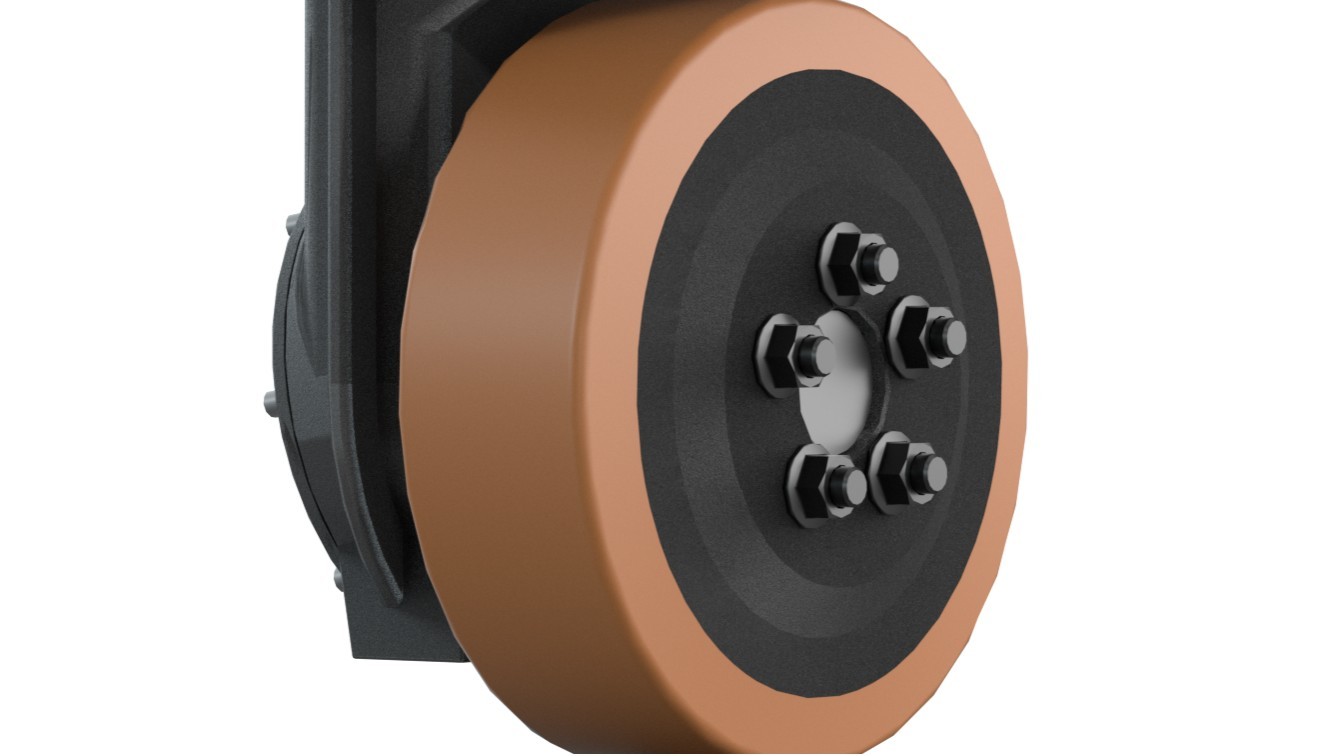
Polyurethane drive wheels are popular for their durability and resistance to wear and tear. They provide excellent traction and shock absorption, making them suitable for indoor use on smooth surfaces. However, they may not perform as efficiently on rough terrains.
2. Rubber Wheels
Rubber wheels are known for their flexibility and ability to absorb shock. They are ideal for outdoor use and uneven surfaces, providing better traction in various weather conditions. However, they can wear out faster than polyurethane wheels when used on smooth surfaces.
3. Solid Tires
Solid tires are designed for heavy-duty use, offering maximum durability and puncture resistance. While they provide good stability and traction, the ride quality can be stiffer compared to other types of wheels. Solid tires are often used in environments with rough terrains or where the risk of punctures is high.
4. Pneumatic Tires
Pneumatic tires are filled with air and offer excellent shock absorption, making them suitable for outdoor applications. They perform well on uneven or rough surfaces but require more maintenance to ensure proper air pressure and avoid punctures.
The Importance of Proper Drive Wheel Selection
Choosing the right drive wheel for your forklift is not merely a matter of preference. It can significantly influence various aspects of your business operations. Here are several key reasons why proper drive wheel selection is essential:
1. Impact on Efficiency
The right drive wheels can enhance the overall efficiency of your forklifts. For instance, selecting wheels that match the surface type and operational environment minimizes energy consumption and maximizes productivity. This translates to faster workflow, reduced downtime, and improved throughput in your warehouse or facility.
2. Safety Enhancements
Safety is paramount in any industrial setting. Inadequate drive wheel selection can lead to increased risks of accidents, including tipping over, losing traction, or sliding. By opting for wheels designed for your specific operational conditions, you can significantly enhance the safety of your forklift operations.
3. Cost-Effectiveness
While it may seem tempting to choose the cheapest option available, the long-term costs associated with poor-quality wheels can be substantial. Investing in the right drive wheels for your forklifts reduces maintenance expenses, minimizes replacement frequency, and helps avoid operational disruptions. Ultimately, this can lead to significant cost savings over time.
4. Longevity of Equipment
Choosing the correct drive wheels can also extend the lifespan of your forklifts. The right wheels reduce the wear and tear on the forklift, allowing it to operate more efficiently for a longer time. This longevity can contribute to a lower total cost of ownership for your equipment.
Factors to Consider When Selecting Forklift Drive Wheels
When selecting forklift drive wheels, several factors must be taken into account to ensure you make the right choice for your business needs.
1. Surface Type
The type of surface on which your forklifts will operate is one of the most critical factors in drive wheel selection. Smooth, level surfaces require different wheels than rough or uneven terrains. Analyzing the surface conditions will help you determine the best material and type of drive wheel.
2. Load Capacity
Each forklift is rated for a specific load capacity. Selecting drive wheels that can handle the weight your forklifts will be lifting is essential. Insufficient load capacity can lead to premature wear, potential accidents, and costly downtime.
3. Operational Environment
The environment in which your forklifts operate can significantly influence wheel selection. For example, if your forklifts will be used outdoors in varying weather conditions, pneumatic or rubber wheels may be more appropriate. Conversely, for indoor operations on smooth surfaces, polyurethane wheels may be the better choice.
4. Frequency of Use
Consider how often your forklifts will be in operation. High-frequency use may necessitate more durable wheels, while less frequent use might allow for a more cost-effective option. Understanding your operational demands will help you make a well-informed choice.
5. Terrain Challenges
If your forklifts will navigate challenging terrain, such as gravel or uneven surfaces, selecting wheels with good traction and shock-absorption capabilities is crucial. The right wheels will improve handling and safety when traversing difficult ground.
Types of Forklift Drive Wheel Configurations
In addition to the material of the drive wheels, the configuration can also impact performance. Understanding the different configurations available will help you make a more informed selection.
1. Single Drive Wheel Configuration
A single drive wheel configuration uses one wheel on each side of the forklift. This setup is common in smaller forklifts and provides good maneuverability in tight spaces. It is essential to ensure that the wheels selected offer sufficient traction and stability.
2. Dual Drive Wheel Configuration
In contrast, dual drive wheel configurations utilize two wheels on each side of the forklift. This arrangement provides enhanced stability and load-bearing capabilities, making it ideal for larger forklifts operating in more demanding environments.
3. All-Wheel Drive Configuration
All-wheel drive configurations distribute power to all wheels, enhancing traction and control. This setup is advantageous when navigating uneven surfaces or when working outdoors. Selecting the right wheels for such configurations is vital to ensure optimal performance.
Maintenance Tips for Forklift Drive Wheels
Proper maintenance of forklift drive wheels is essential to ensure their longevity and performance. Here are several maintenance tips:
1. Regular Inspections
Conduct regular inspections of your drive wheels to identify signs of wear and damage. Early detection can prevent more significant issues and extend the life of the wheels.
2. Clean the Wheels
Keep the drive wheels clean from debris and contaminants. Dirt and grime can affect traction and overall performance, leading to potential safety hazards.
3. Check for Proper Inflation
For pneumatic tires, ensure that they are adequately inflated. Regularly check and maintain the appropriate air pressure to avoid performance issues and ensure safety.
4. Rotate Wheels
Rotating the wheels can help even out wear and prolong their lifespan. Follow the manufacturer's recommendations for rotation schedules to keep your forklifts running smoothly.
Cost Implications of Improper Drive Wheel Selection
Ignoring the importance of proper forklift drive wheel selection can lead to various cost implications:
1. Increased Maintenance Costs
Using the wrong type of drive wheels can lead to higher maintenance costs over time. Poor-quality wheels may require frequent replacements and repairs, driving up expenses.
2. Equipment Downtime
Inadequate drive wheels can contribute to breakdowns and operational downtime, affecting productivity and potentially leading to lost revenue.
3. Safety-Related Costs
Accidents resulting from improper drive wheel selection can lead to significant costs, including medical expenses, legal fees, and insurance claims. Prioritizing safety through correct wheel selection can mitigate these risks.
FAQs About Forklift Drive Wheel Selection
1. How do I know which drive wheel material is best for my operation?
Consider the surface type and operational environment. Polyurethane wheels are ideal for smooth, indoor surfaces, while rubber or pneumatic wheels are better for outdoor and uneven terrains.
2. What will happen if I choose the wrong drive wheels?
Choosing the wrong drive wheels can lead to reduced efficiency, increased maintenance costs, safety risks, and shorter equipment lifespan.
3. How often should I inspect my forklift's drive wheels?
Regular inspections should be conducted at least once a month or more frequently if your forklifts are used heavily. Look for signs of wear, damage, or debris buildup.
4. Can I use the same drive wheels for different forklift models?
Drive wheels are often specific to individual forklift models. Always consult the manufacturer’s guidelines to ensure compatibility before making a selection.
5. What are the safety implications of using worn-out drive wheels?
Worn-out drive wheels can lead to decreased traction, increased risk of tipping, and a higher likelihood of accidents. Regular maintenance and timely replacement are essential for safety.
Conclusion
Selecting the appropriate forklift drive wheels is a critical decision that can impact the efficiency, safety, and cost-effectiveness of your operations. Understanding the different types of drive wheels, their configurations, and the factors influencing selection ensures that you make an informed choice tailored to your business's unique needs. Investing in the right drive wheels is not just about meeting current operational demands; it is also about future-proofing your equipment and minimizing costs in the long run. By prioritizing proper selection and maintenance, your business can achieve greater efficiency and improved safety standards in the workplace.
More information




Mob: +86-513-82104870
E-mail: jimmy.tang@shtongpu.com
E-mail: info@bicontrols.com
Address: Building 63, No.2699, Binjiang Street, Binjiang Avenue, Haimen District, Nantong City, Jiangsu Province

Sweep and pay attention to Baoyan Technology