
Why Servo Motor Controllers are Essential for High-Precision Tasks
Release time:
2026-08-22
Why Servo Motor Controllers are Essential for High-Precision Tasks In the world of industrial automation, precision is everything. Organizations across various sectors rely on cutting-edge technology to ensure that their processes are efficient and accurate. One of the critical components in achieving that level of precision is the **servo motor controller**. These devices play a pivotal role in
Why Servo Motor Controllers are Essential for High-Precision Tasks
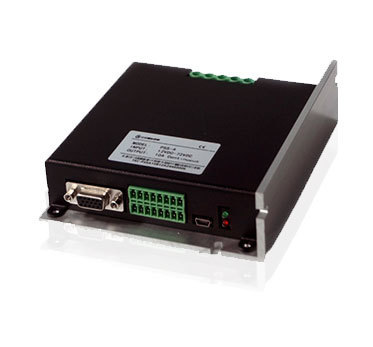
In the world of industrial automation, precision is everything. Organizations across various sectors rely on cutting-edge technology to ensure that their processes are efficient and accurate. One of the critical components in achieving that level of precision is the **servo motor controller**. These devices play a pivotal role in controlling the movement and positioning of servo motors, enabling high-performance applications that require exceptional accuracy. This article delves into the significance of servo motor controllers, exploring their functionalities, benefits, and applications in various industries.
Table of Contents
- What is a Servo Motor Controller?
- How Servo Motor Controllers Work
- Key Benefits of Servo Motor Controllers for High-Precision Tasks
- Enhanced Accuracy and Precision
- Improved Speed and Response Time
- Greater Efficiency and Productivity
- Applications of Servo Motor Controllers in Industrial Settings
- Choosing the Right Servo Motor Controller
- Future Trends in Servo Motor Technology
- FAQs About Servo Motor Controllers
- Conclusion
What is a Servo Motor Controller?
A servo motor controller is an electronic device designed to manage the motion of a servo motor. It interprets commands from a controlling system and provides the necessary signals to the motor, allowing it to achieve desired positions and speeds. Servo motor controllers utilize feedback systems—often through encoders—to ensure that the motor reaches the exact position needed, making them indispensable in high-precision tasks.
How Servo Motor Controllers Work
Servo motor controllers function by utilizing a closed-loop system to provide precise control over motor movements. The process involves several key components:
- Input Commands: The controller receives input commands from a higher-level control system, which can be a computer or a programmable logic controller (PLC).
- Signal Processing: The controller processes these commands and translates them into electrical signals that dictate how the servo motor should move.
- Feedback Mechanism: Most servo systems include a feedback mechanism, such as an encoder, which provides real-time data regarding the motor’s position and speed.
- Adjustments: Based on the feedback received, the controller makes adjustments to the motor’s operation, ensuring that it maintains accuracy and precision.
Key Benefits of Servo Motor Controllers for High-Precision Tasks
Enhanced Accuracy and Precision
One of the primary advantages of using servo motor controllers is the ability to achieve **enhanced accuracy** and precision in tasks. By continuously monitoring the motor’s position and making necessary adjustments in real-time, these controllers enable movements that can be accurate to within fractions of a millimeter. This level of precision is crucial in applications such as robotics, CNC machining, and assembly processes where even the slightest error can lead to significant quality issues.
Improved Speed and Response Time
Servo motor controllers are designed for rapid response. They can quickly process input commands and react accordingly, allowing for high-speed operations without sacrificing accuracy. This **improved speed** is particularly beneficial in industries where time is of the essence, such as manufacturing, where faster cycle times can lead to higher productivity and efficiency.
Greater Efficiency and Productivity
By optimizing the operation of motors, servo motor controllers contribute to **greater efficiency** and productivity. Reduced idle times and optimized path planning mean that machinery can operate at peak performance, minimizing downtime and maximizing output. This efficiency directly translates to cost savings for organizations and an enhanced competitive edge in the marketplace.
Applications of Servo Motor Controllers in Industrial Settings
Servo motor controllers are utilized across a myriad of industrial applications, each benefiting from the precision, speed, and efficiency these devices provide. Some significant applications include:
Robotics and Automation
In the realm of robotics, servo motor controllers are essential for achieving smooth and precise movements. Whether in robotic arms, autonomous vehicles, or drones, the ability to control motion accurately ensures tasks are performed correctly and safely. Automation systems leverage these controllers to enhance operational capabilities, making production lines more adaptable and responsive.
CNC Machining
CNC (Computer Numerical Control) machines rely heavily on servo motor controllers for accurate cuts and shapes. These controllers help maintain precise positioning, allowing for intricate designs and components to be manufactured with minimal error. In industries such as aerospace, automotive, and manufacturing, the ability to produce high-quality parts consistently is crucial, making servo motor controllers a vital component in CNC setups.
Packaging and Assembly
The packaging and assembly sectors benefit from servo motor controllers through the precise movement of conveyor systems, robotic arms, and assembly lines. These controllers ensure that products are handled gently yet efficiently, reducing the risk of damage and increasing throughput. In addition, the ability to program various tasks into a single controller allows for flexibility in production lines, accommodating different product sizes and types seamlessly.
Choosing the Right Servo Motor Controller
Selecting the appropriate servo motor controller for specific applications involves considering several factors:
- Application Requirements: Analyze the specific needs of your application, including torque, speed, and positioning accuracy.
- Compatibility: Ensure that the controller is compatible with the servo motor and the overall system architecture.
- Feedback Type: Choose a controller that supports the necessary feedback mechanisms, whether it’s an encoder, resolver, or other technology.
- Programming Flexibility: Consider controllers that offer programming options to customize operations based on evolving needs.
Future Trends in Servo Motor Technology
The landscape of servo motor technology is continually evolving. Emerging trends include:
- Integration with Artificial Intelligence: As AI technology advances, its integration into servo motor controllers will enhance predictive maintenance and operational efficiency.
- Increased Miniaturization: Expect to see smaller and more compact servo motor controllers that can be employed in tighter spaces without sacrificing performance.
- Enhanced Communication Protocols: New communication protocols will allow for better interoperability among devices, facilitating smoother operations in complex systems.
FAQs About Servo Motor Controllers
1. What types of servo motor controllers are available?
There are various types of servo motor controllers, including analog, digital, and smart controllers. Each type offers different functionalities suitable for specific applications.
2. How do I know if I need a servo motor controller?
If your application requires precise control of motor movements, such as positioning or speed regulation, then a servo motor controller is essential.
3. Can servo motor controllers work with different types of motors?
Most servo motor controllers are designed to work with specific types of motors, such as DC servo motors or stepper motors. It’s crucial to ensure compatibility before selection.
4. Are servo motor controllers expensive?
Prices for servo motor controllers can vary significantly based on capabilities and specifications. While some may be costly, the investment often pays off in efficiency and productivity gains.
5. Can I program a servo motor controller myself?
Many servo motor controllers come with user-friendly programming interfaces, allowing users to customize settings according to their needs without requiring advanced programming skills.
Conclusion
The role of servo motor controllers in high-precision tasks cannot be overstated. These sophisticated devices enable unparalleled accuracy, speed, and efficiency across various industrial applications. By understanding the functionality and benefits of servo motor controllers, organizations can make informed decisions that enhance their operational capabilities. As technology continues to advance, the future of servo motor controllers promises even greater innovations, solidifying their importance in the realm of industrial automation.
More information




Mob: +86-513-82104870
E-mail: jimmy.tang@shtongpu.com
E-mail: info@bicontrols.com
Address: Building 63, No.2699, Binjiang Street, Binjiang Avenue, Haimen District, Nantong City, Jiangsu Province

Sweep and pay attention to Baoyan Technology