
Understanding Servo Motor Controllers: The Heart of Precision in Industrial Equipment
Release time:
2025-12-12
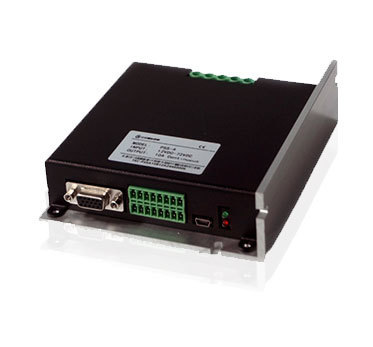
Servo motor controllers are essential components in the realm of industrial equipment, especially when precision and accuracy are paramount. These controllers manage the operation of servo motors, which are widely used in various applications, from robotics to CNC machinery. By providing precise control over the motor's speed, position, and torque, servo motor controllers play a pivotal role in en
Servo motor controllers are essential components in the realm of industrial equipment, especially when precision and accuracy are paramount. These controllers manage the operation of servo motors, which are widely used in various applications, from robotics to CNC machinery. By providing precise control over the motor's speed, position, and torque, servo motor controllers play a pivotal role in ensuring optimal performance in industrial settings.
At its core, a servo motor controller functions by receiving signals from a control system, interpreting them, and adjusting the motor's operation accordingly. This closed-loop system utilizes feedback mechanisms to continuously monitor the motor's performance, allowing for real-time adjustments. This feedback loop is crucial for maintaining the desired output, making servo motor controllers invaluable in applications that require high levels of accuracy.
One of the primary advantages of using servo motor controllers is their ability to enhance efficiency. Unlike traditional motors, which operate at a constant speed, servo motors can adjust their performance dynamically based on the demands of the task. This not only reduces energy consumption but also minimizes wear and tear on mechanical components, resulting in longer equipment lifespan and reduced maintenance costs.
Additionally, servo motor controllers facilitate smoother and more controlled movements. This is particularly important in applications such as assembly lines, where precise placement and timing are critical. The ability to fine-tune motor parameters allows manufacturers to optimize production processes, increasing throughput and improving product quality.
In terms of applications, servo motor controllers are found in numerous industries, including automotive, aerospace, food processing, and pharmaceuticals. For instance, in the automotive industry, they are used in robotic arms for assembly tasks, ensuring that components are placed accurately, while in the food industry, they help in controlling packaging machines to maintain consistency in product presentation.
Moreover, the integration of advanced technologies such as digital signal processors (DSPs) and field-programmable gate arrays (FPGAs) in modern servo motor controllers has further enhanced their capabilities. These technologies enable more complex control algorithms, improving responsiveness and adaptability to varying operational conditions.
In conclusion, servo motor controllers are integral to the functionality of servo motors, providing precise control that is essential in many industrial applications. Their efficiency, accuracy, and adaptability make them a key component in modern manufacturing processes. Understanding the role and benefits of servo motor controllers can significantly aid businesses in optimizing their operations and achieving greater productivity.
Return to List →
At its core, a servo motor controller functions by receiving signals from a control system, interpreting them, and adjusting the motor's operation accordingly. This closed-loop system utilizes feedback mechanisms to continuously monitor the motor's performance, allowing for real-time adjustments. This feedback loop is crucial for maintaining the desired output, making servo motor controllers invaluable in applications that require high levels of accuracy.
One of the primary advantages of using servo motor controllers is their ability to enhance efficiency. Unlike traditional motors, which operate at a constant speed, servo motors can adjust their performance dynamically based on the demands of the task. This not only reduces energy consumption but also minimizes wear and tear on mechanical components, resulting in longer equipment lifespan and reduced maintenance costs.
Additionally, servo motor controllers facilitate smoother and more controlled movements. This is particularly important in applications such as assembly lines, where precise placement and timing are critical. The ability to fine-tune motor parameters allows manufacturers to optimize production processes, increasing throughput and improving product quality.
In terms of applications, servo motor controllers are found in numerous industries, including automotive, aerospace, food processing, and pharmaceuticals. For instance, in the automotive industry, they are used in robotic arms for assembly tasks, ensuring that components are placed accurately, while in the food industry, they help in controlling packaging machines to maintain consistency in product presentation.
Moreover, the integration of advanced technologies such as digital signal processors (DSPs) and field-programmable gate arrays (FPGAs) in modern servo motor controllers has further enhanced their capabilities. These technologies enable more complex control algorithms, improving responsiveness and adaptability to varying operational conditions.
In conclusion, servo motor controllers are integral to the functionality of servo motors, providing precise control that is essential in many industrial applications. Their efficiency, accuracy, and adaptability make them a key component in modern manufacturing processes. Understanding the role and benefits of servo motor controllers can significantly aid businesses in optimizing their operations and achieving greater productivity.
More information




Mob: +86-513-82104870
E-mail: jimmy.tang@shtongpu.com
E-mail: info@bicontrols.com
Address: Building 63, No.2699, Binjiang Street, Binjiang Avenue, Haimen District, Nantong City, Jiangsu Province

Sweep and pay attention to Baoyan Technology